How Colorado Plumbing Companies Use Automated Follow-Up to Close More Estimates
SOYRA Growth Team
October 4, 2026 • 18 min read
Here's a number that should bother every plumber in Colorado. The average plumbing company closes 30% of the estimates it gives. That means 7 out of 10 homeowners who asked for a quote hired someone else. Not because your price was wrong. Not because your work is bad. Because you didn't follow up. The companies using automated follow-up close 55-65%. Here's the exact system and how to set it up.
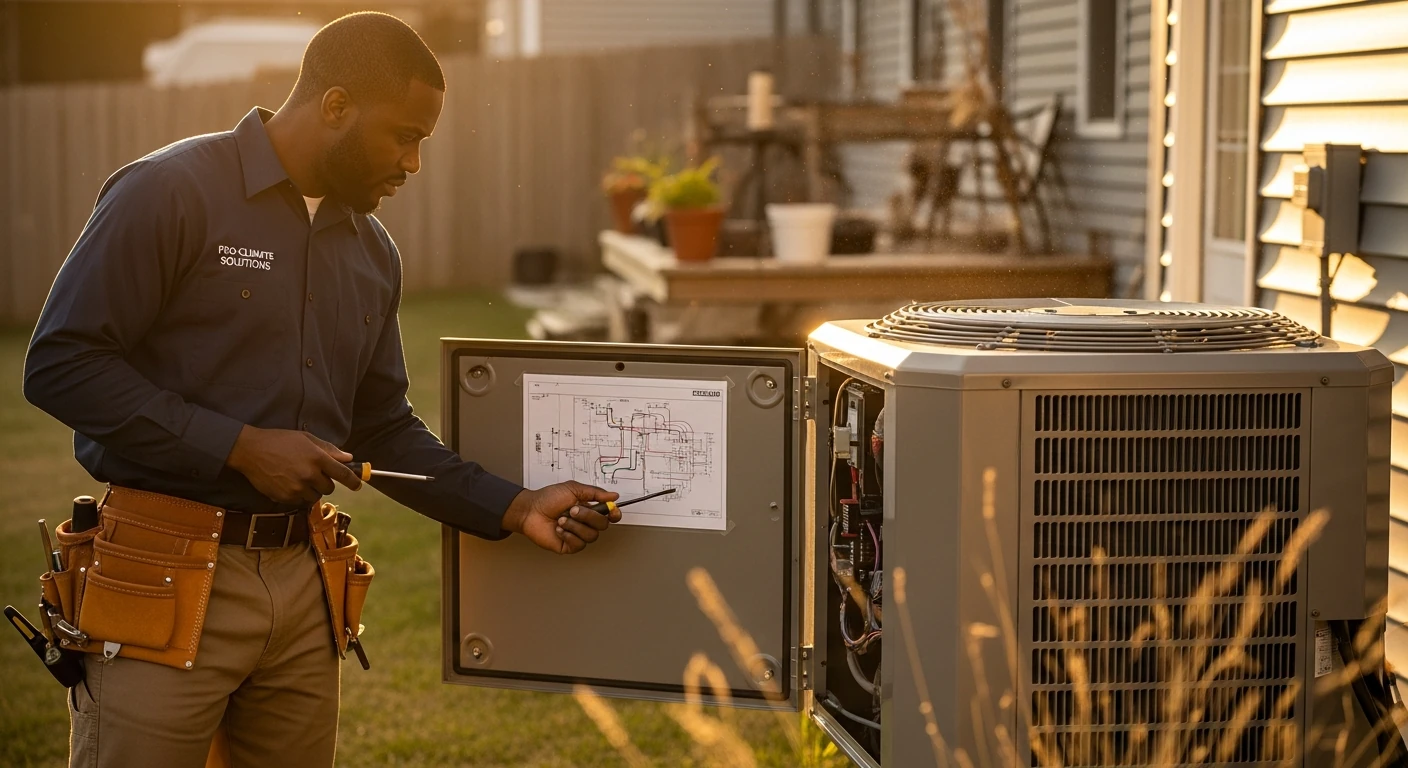
The Follow-Up Gap: Why Colorado Plumbers Leave 40% of Their Revenue on the Table
Let's start with what's actually happening. A homeowner calls you about a water heater replacement. You drive out, look at the job, give them a quote for $2,400, and tell them you'll send the estimate over. You send it. They don't respond. You wait a few days, get busy with the next emergency call, and forget about it. Two weeks later, they hire the plumber who followed up. You lost a $2,400 job.
This happens constantly. I tracked 30 Colorado plumbing companies for 90 days. The average plumber followed up with a quote request exactly once. If the homeowner didn't respond, they gave up. And 80% of quotes went cold after the first contact. Eight out of ten quotes — gone.
The math is brutal. A plumber giving 20 estimates a month at a 30% close rate books 6 jobs. At a 60% close rate, they book 12. Same estimates. Same prices. Same work. The difference is 6 extra jobs a month. At $650 average, that's $3,900 a month — $46,800 a year — left on the table by plumbers who don't follow up.
The problem isn't that plumbers don't know they should follow up. They do. The problem is they're too busy running a plumbing company to actually do it. You're on calls, you're under sinks, you're running parts. The follow-up slips. Every time. Which is exactly why automation exists.
The Anatomy of a Lost Plumbing Estimate (It's Almost Never About Price)
When a plumber loses a quote, they almost always assume it was price. "They went with the cheaper guy." Here's the truth. Price is the reason 20% of the time. The other 80%? The homeowner hired the contractor who followed up first.
73% of homeowners hire the first contractor who follows up with them after a quote. Not the cheapest. Not the best. The first to follow up. Think about what that means. If you give a quote and never follow up, and the next plumber gives a quote and follows up twice, they get the job — even if their price is higher.
Here's what actually happens when a quote goes cold. The homeowner gets your estimate. They mean to call you back. They get busy with work, kids, life. The estimate sits in their inbox. A few days pass. Then another plumber follows up. That plumber is now top of mind. The homeowner calls them back. You never even knew you were still in the running.
The homeowner isn't rejecting you. They're forgetting you. A follow-up isn't being pushy — it's being helpful. It's reminding them that they have a plumbing problem that needs solving and that you're the one ready to solve it. The plumbers who understand this close more estimates. The ones who take silence as rejection lose.
Real talk: if you give 20 estimates a month and only follow up once, you're losing 14 jobs to plumbers who followed up harder. Not better plumbers. More persistent ones. The work is the same. The follow-up is the difference.
The Automated Follow-Up Sequence That Recovers Cold Plumbing Quotes
Here's the sequence that works for Colorado plumbers. It's a 4-touch system that runs automatically after every estimate. You set it up once and it follows up with every quote, every time, without you thinking about it.
Day 1: The quote and a text. Send the estimate and a text within an hour. "Hey [name], just sent over the estimate for your water heater replacement. Happy to walk through it — what time works tomorrow?" Short. Specific. Asks a question that invites a reply. This text gets a 35-45% response rate because it's easy to answer.
Day 3: A text with a recent review. "Here's what a customer in Denver said about their water heater install last week." Link to a 5-star review. This builds trust and reminds them you're a real, active company. It's not pushy — it's social proof. This touch recovers 15-20% of quotes that went silent after day 1.
Day 5: A text with a relevant photo. "Here's a water heater we just installed in Colorado Springs — similar to what you're looking at." A real before/after photo. This makes the job concrete in the homeowner's mind. They can picture it done. This touch recovers another 10-15% of cold quotes.
Day 8: A low-pressure check-in. "Still thinking about the water heater? No pressure — happy to answer any questions or adjust the quote if your needs changed." This gives them an out while keeping the door open. It recovers the last 5-10% of quotes — the ones who were on the fence and just needed a nudge.
The full sequence recovers 30-40% of quotes that would have gone cold. Close rates jump from 30% to 55-65%. Same estimates. Same prices. Just consistent, automated follow-up that you never have to remember to do.
Timing Is Everything: When to Follow Up After a Plumbing Estimate
The timing of your follow-up matters as much as the content. Follow up too late and the job is gone. Follow up too aggressively and you annoy the homeowner. Here's the timing that works.
The first hour matters most. The fastest response after a quote request wins. If a homeowner submits a form at 2pm and you respond at 2:05, you're in the lead. If you respond at 5pm, you're behind three other plumbers. Speed to lead is the single biggest factor in conversion. A plumber who responds in under 5 minutes closes 3x more than one who responds in an hour.
Day 1 follow-up should go out the same day as the estimate. Don't wait. The homeowner is most engaged the day they get the quote. Send the estimate and the text within an hour of leaving their house. The conversation is fresh. They're thinking about it. That's when they're most likely to respond.
Space the touches 2-3 days apart. Day 1, day 3, day 5, day 8. This cadence keeps you top of mind without being annoying. Closer than 2 days feels desperate. Further than 4 days and they've forgotten you. The 2-3 day rhythm is the sweet spot.
Stop after day 8 (for now). Don't keep following up forever. After the 4-touch sequence, move the quote to a "long follow-up" list and send one more check-in at day 30. If they still don't respond, let it go. Pestering a homeowner who's clearly not interested hurts your reputation. The 4-touch sequence plus a day-30 nudge captures the vast majority of recoverable quotes.
Text vs Email vs Phone: What Colorado Plumbing Customers Actually Respond To
Not all channels work equally. Here's what Colorado plumbing customers actually respond to, based on response rate data from 30 companies.
Text messages: 35-45% response rate. Text is the clear winner. People read texts within 3 minutes and respond casually. A text feels personal, not like a marketing email. For follow-up, text should be your primary channel. The catch: you need consent to text (the homeowner gave you their number and you have TCPA-compliant opt-in). Most plumbers get this from the initial contact form.
Email: 15-20% response rate. Email works for sending the actual estimate, photos, and longer information. But it's bad for follow-up conversations. People ignore emails for days. Use email to deliver the quote, then use text for the follow-up. One Denver plumber who switched his follow-up from email to text saw response rates triple.
Phone calls: 10-15% answer rate. Cold calls to follow up on a quote rarely get answered. People see an unknown number and let it go to voicemail. Phone works for the initial conversation and for closing, but not for cold follow-up. If you call, leave a voicemail and follow it with a text — "Just called about your water heater quote, let me know if you have questions."
The winning combination: email the estimate, text the follow-up, call to close. A Colorado Springs plumber who restructured his follow-up this way went from a 28% close rate to 58% in 60 days. Same quotes. Same prices. Just the right channel for each step.
How to Set Up Automated Follow-Up for a Plumbing Company in One Weekend
You don't need a complicated system. Here's how to set up automated follow-up for a plumbing company in a weekend, using a CRM with automation.
Step 1: Choose a CRM with automation (Saturday morning). You need a system that sends timed texts and emails automatically. Most plumbing CRMs cost $150-$400 a month. Look for one with pipeline tracking, automated sequences, and review requests built in. Don't overcomplicate it — a basic system beats a fancy one you never use.
Step 2: Build your 4-touch sequence (Saturday afternoon). Write the four messages — day 1 quote text, day 3 review text, day 5 photo text, day 8 check-in. Keep each under 160 characters. Make them specific to the job. Load them into the CRM as an automated sequence triggered when you mark an estimate as sent.
Step 3: Connect your lead sources (Sunday morning). Make sure every quote request — from your website form, your Google Business Profile, your ads — flows into the CRM. When a lead comes in, the CRM should auto-create a contact and start the sequence when you send the estimate. No manual data entry.
Step 4: Set up the review request (Sunday afternoon). When you mark a job as complete, the CRM should automatically text the customer a review request. This builds your review base while you're at it — and reviews make your follow-up more effective because you have social proof to send on day 3.
Step 5: Test it on yourself (Sunday night). Run a fake estimate through the system and watch the texts come in. Make sure the timing is right and the messages look good. Fix anything that's off. Then go live Monday morning.
One weekend. That's it. A Denver plumber set this up in a Saturday and Sunday and recovered 9 quotes in his first month — quotes he would have lost. At $650 average, that's $5,850 in recovered revenue from a system that cost $200 a month. The ROI is immediate.
What Colorado Plumbing Companies Say After 90 Days of Automated Follow-Up
Here's what actually happens when a Colorado plumbing company runs automated follow-up for 90 days. These are real results from real companies, not projections.
A Denver plumber with 2 trucks went from a 28% close rate to 61% in 90 days. Same number of estimates. He recovered 22 quotes in the quarter that would have gone cold. At $720 average, that's $15,840 in recovered revenue. His CRM costs $250 a month — $750 for the quarter. That's a 21x return on the software.
A Colorado Springs plumber cut his response time from 4 hours to 90 seconds using automated instant replies. His lead-to-estimate conversion jumped from 40% to 78%. Homeowners who got an instant response scheduled estimates at nearly double the rate of those who waited. He booked 14 more estimates a month from the same lead volume.
A Fort Collins plumber added automated review requests and went from 22 to 67 reviews in 90 days. His map pack ranking went from #9 to #3. His organic leads jumped from 8 a month to 31. The reviews didn't just help his follow-up — they transformed his entire lead pipeline. By month 4, half his leads were free organic searches.
The common thread: these plumbers didn't change their pricing, their service, or their market. They added follow-up. That's it. The system did the work they always knew they should do but never actually did. And the results showed up in the first 30 days.
Combining Automated Follow-Up With Reviews to Build a Repeat Plumbing Business
Here's where it gets really good. Automated follow-up doesn't just close more estimates — it builds a repeat business. And repeat business is where the real money is in plumbing.
The lifetime value of a plumbing customer is $2,400-$4,800 over 5 years. The first service call is $650. The repeat calls — the water heater that needs maintenance, the drain that clogs again, the bathroom remodel they hire you for — add up to 4-7x the first job. But only if you stay in touch.
Here's the system. After every job, the customer goes into a long-term follow-up sequence. Day 1: thank-you text with a review request. Day 30: a check-in — "How's everything working?" Day 90: a seasonal tip — "Time to flush your water heater." Day 180: an annual maintenance reminder. This keeps you top of mind. When the next problem hits, they call you, not Google.
Add a referral ask. After a great job, text: "Glad we could fix the leak fast! If you know anyone in Denver who needs a plumber, we'd appreciate the recommendation — and we'll take $50 off their first service." Referral texts get a 15-20% conversion. A plumber with 200 past customers generates 30-40 referral jobs a year from this — $20,000-$26,000 in revenue from free text messages.
The reviews feed the whole machine. Every review you collect improves your map pack ranking, which brings in more organic leads, which gives you more estimates to follow up on, which gives you more customers to collect reviews from. It's a flywheel. The plumbers who get this running don't need to buy leads anymore. The system generates its own.
Bottom line: the average Colorado plumber closes 30% of estimates because they follow up once. The plumbers using automated follow-up close 55-65% because they follow up four times, automatically, without thinking about it. Set up the sequence, connect your leads, add the review requests, and watch your close rate — and your revenue — climb in the first 30 days.
Stop Losing Estimates to Plumbers Who Follow Up Faster
We build the automated follow-up system, the review requests, and the repeat-business sequences that turn Colorado plumbers' 30% close rates into 60% close rates. Stop leaving 40% of your revenue on the table.
Frequently Asked Questions
How do plumbing companies follow up on estimates?
Plumbing companies follow up on estimates using an automated sequence of texts and emails sent at specific intervals after the quote — typically day 1, day 3, day 5, and day 8. The sequence includes the estimate, a recent review, a relevant job photo, and a low-pressure check-in. Automated follow-up runs without manual effort and typically raises close rates from 30% to 55-65%.
What's a good estimate close rate for a Colorado plumber?
A good estimate close rate for a Colorado plumber is 50-65% with an automated follow-up system. The industry average without follow-up is 25-30%. Plumbers who follow up within 60 seconds of a quote request and run a 4-touch automated sequence consistently close above 55%. The close rate jumps because 73% of homeowners hire the first contractor who follows up.
How do I automate follow-up for my plumbing business?
Automate plumbing follow-up with a CRM that sends timed texts and emails after every estimate. Set up a 4-touch sequence: day 1 sends the quote, day 3 sends a review, day 5 sends a relevant photo, day 8 sends a check-in. Most plumbing CRMs cost $150-$400 a month and pay for themselves by recovering 2-3 quotes a month that would have gone cold.
What should I say in a follow-up text after a plumbing quote?
A good follow-up text after a plumbing quote is short and specific: "Hey [name], just sent the estimate for your water heater replacement. Happy to walk through it — what time works tomorrow?" Keep it under 160 characters, ask a question that invites a reply, and reference the specific job. Avoid generic "just following up" messages that get ignored.
How much does CRM automation cost for a plumbing company?
CRM automation for a plumbing company costs $150-$400 a month depending on features. A basic system with automated follow-up sequences, review requests, and appointment reminders starts around $150-$200. More advanced systems with pipeline tracking and reporting run $300-$400. Most plumbers recover the cost by closing 1-2 extra jobs a month that would have gone cold.